The Heritage of Chikankari & Artisanal Craftsmanship | Lunevi
Discover the unbroken lineage of Indian craftsmanship. From ancient bronze needles to the intricate art of Dabu mud-resist and Chikankari embroidery.
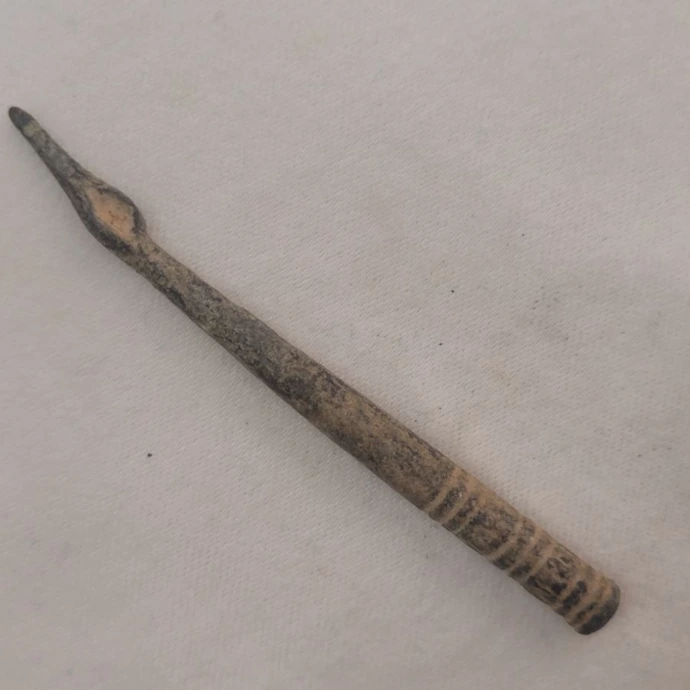
Genuine antique bronze sewing needle dating to 2000 BC.
Dimension diameter 0.5 cm X 7.5 cm approximately.
Long before the grandeur of the Mughal era, the needle arts of India flourished in profound silence. Historical archives and sculptural records trace fine hand-embroidery back to ancient civilizations, from early bronze implements to the draped motifs immortalized in classical architecture.
For millennia, Indian master artisans have translated light, shadow, and texture into thread. From the Vedic texts to the classical murals of Ajanta, garments worn by those of refined taste have always been elevated by meticulous hand-work. At Lunevi, we honor this unbroken lineage—merging centuries-old artisanal traditions with modern, architectural silhouettes.
Journey of your Chikankari Dress
Highlight your history, showcase growth and key milestones.
Dabu: Earth in Your Hands
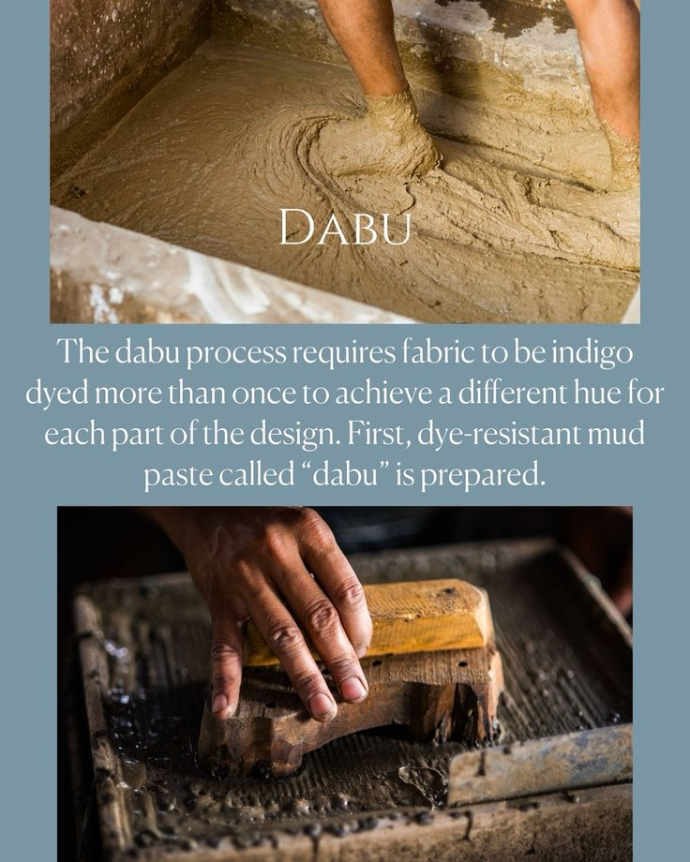
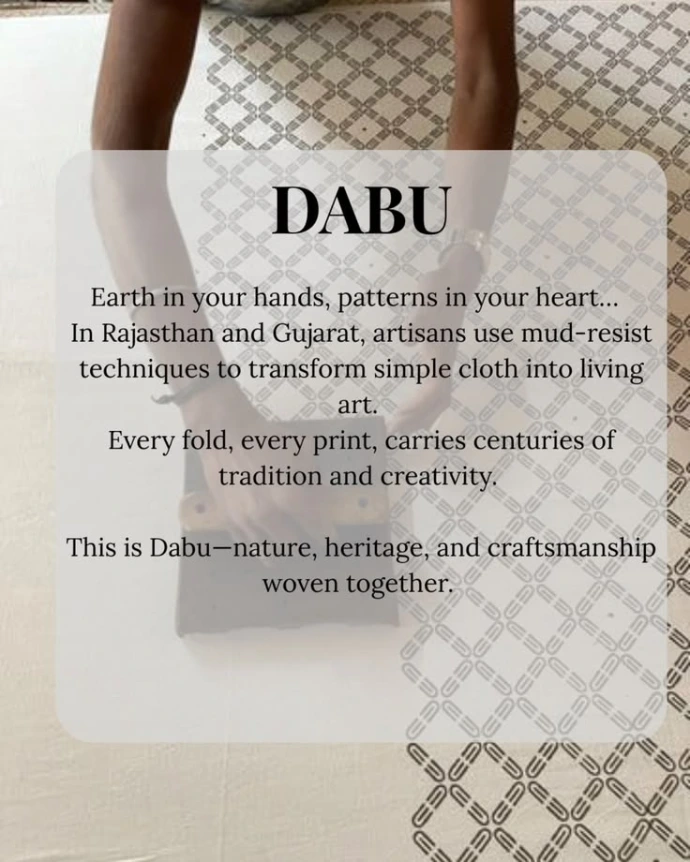
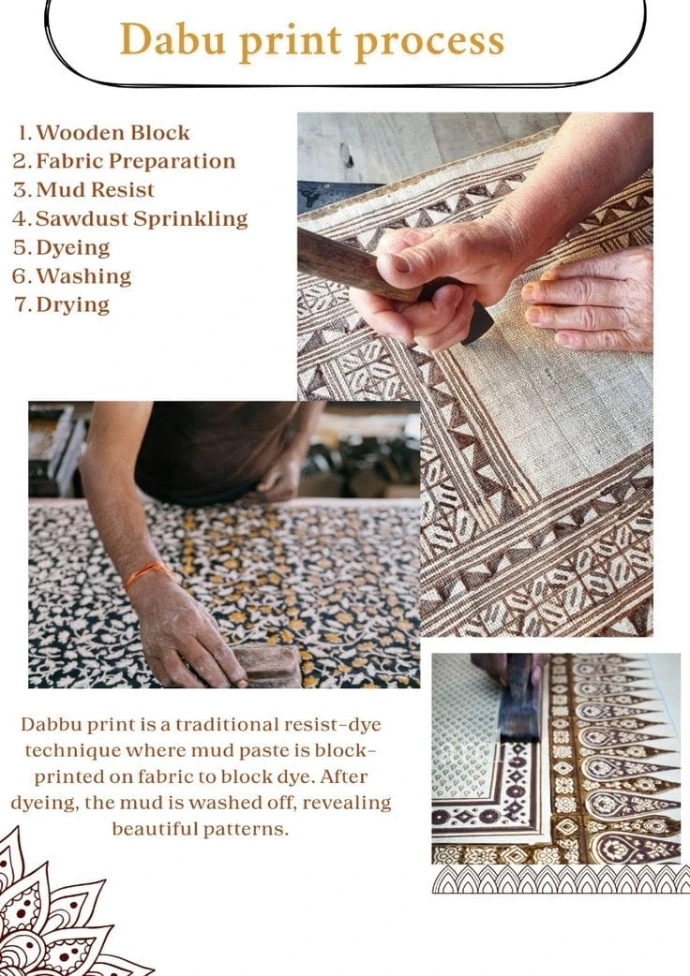
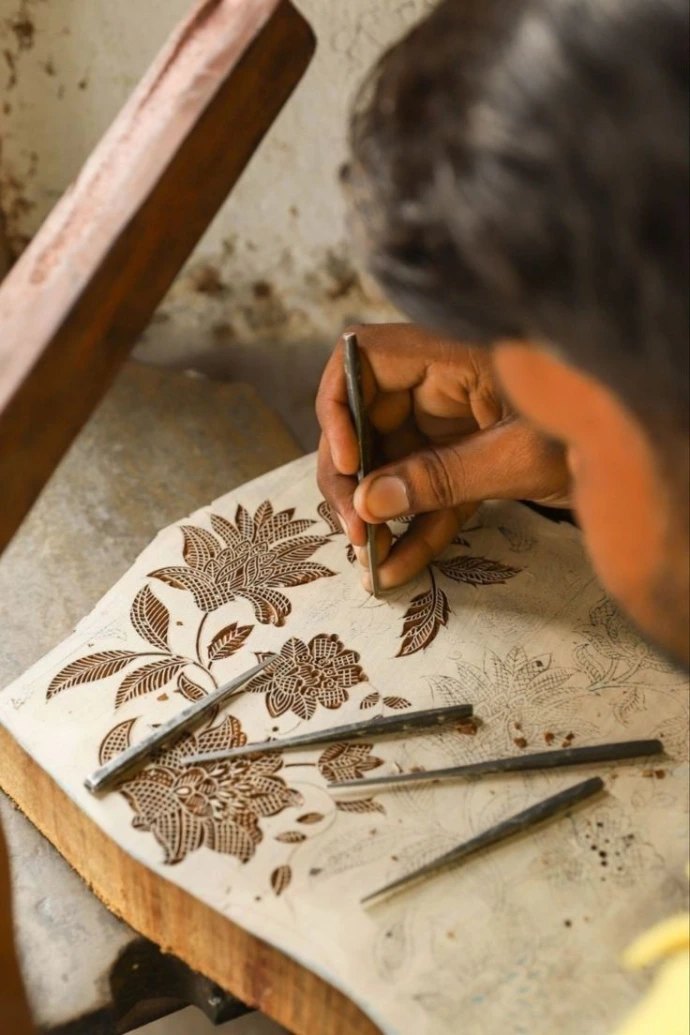
In regions like Rajasthan and Gujarat, artisans use mud-resist techniques to transform simple cloth into living art. This foundational process, known as Dabu, begins with the creation of wooden blocks featuring intricate designs. To achieve different hues for each part of a pattern, the fabric must be indigo-dyed more than once. Artisans prepare a dye-resistant mud paste, applying it through a meticulous sequence: carving the wooden block, preparing the fabric, applying the mud resist, sprinkling sawdust, dyeing, washing, and finally drying. Every fold and every print carries centuries of tradition and creativity.
Karigari: The Wooden Blueprint
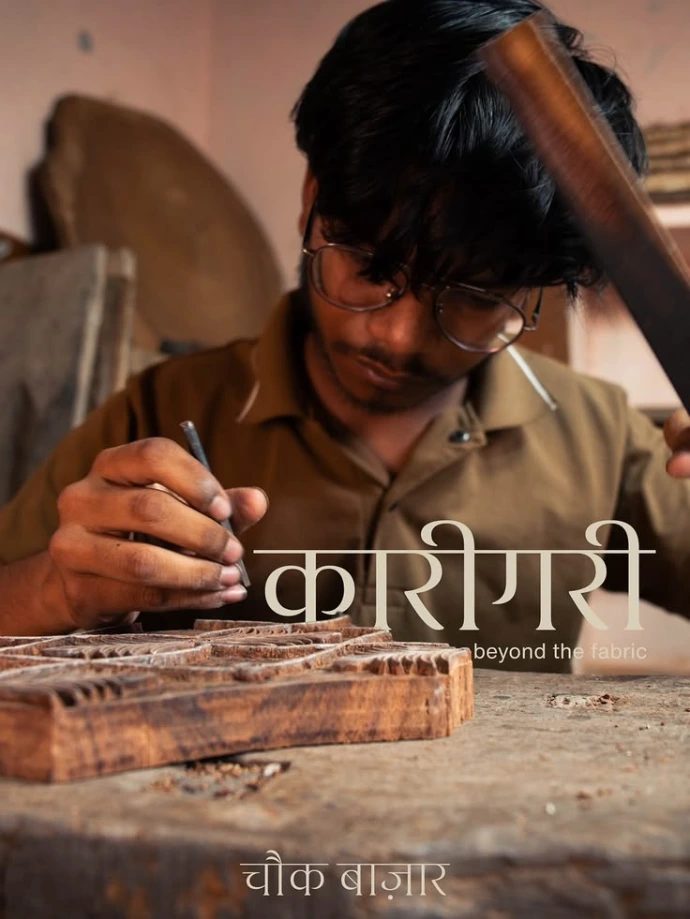
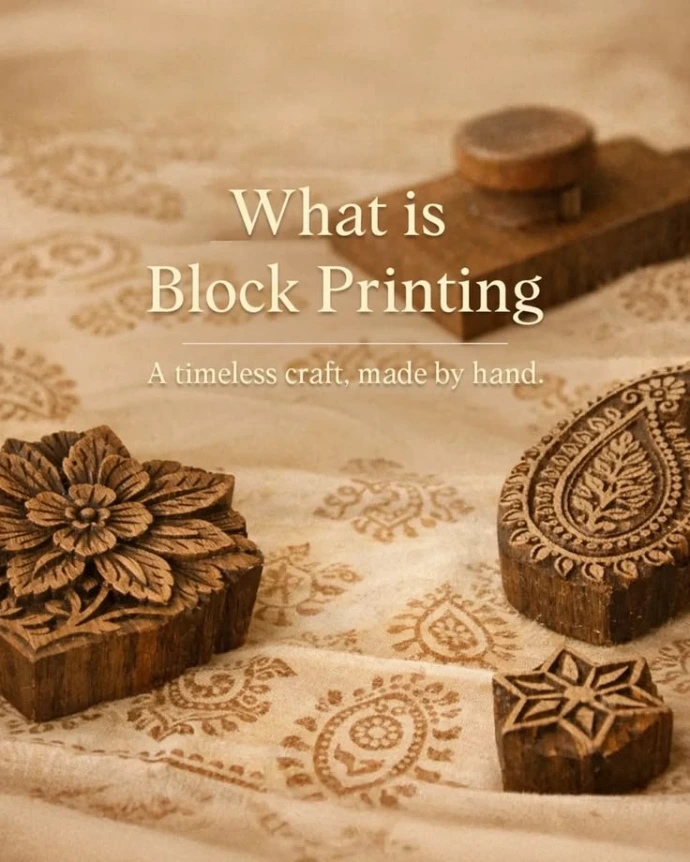
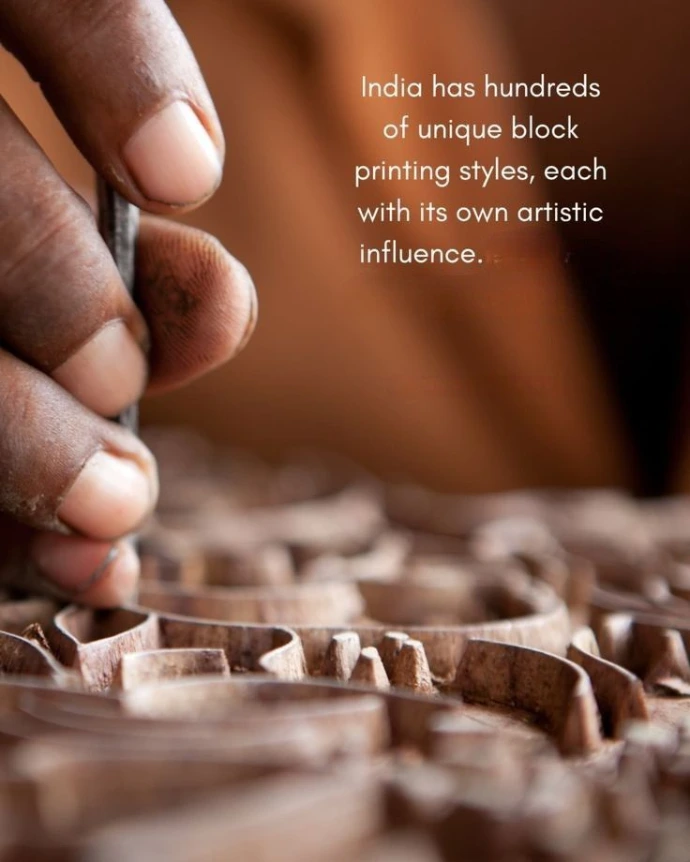
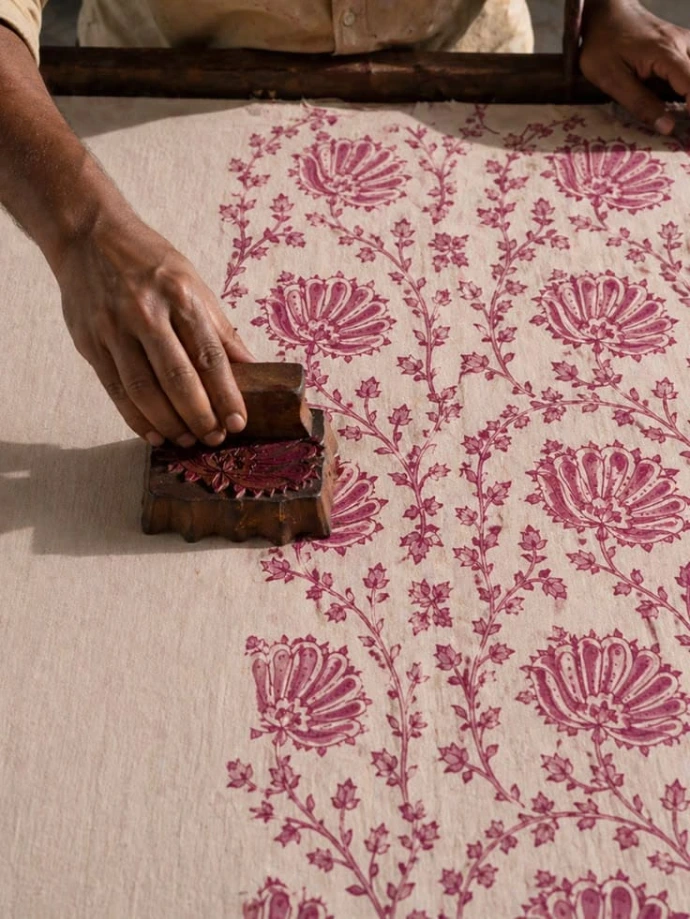
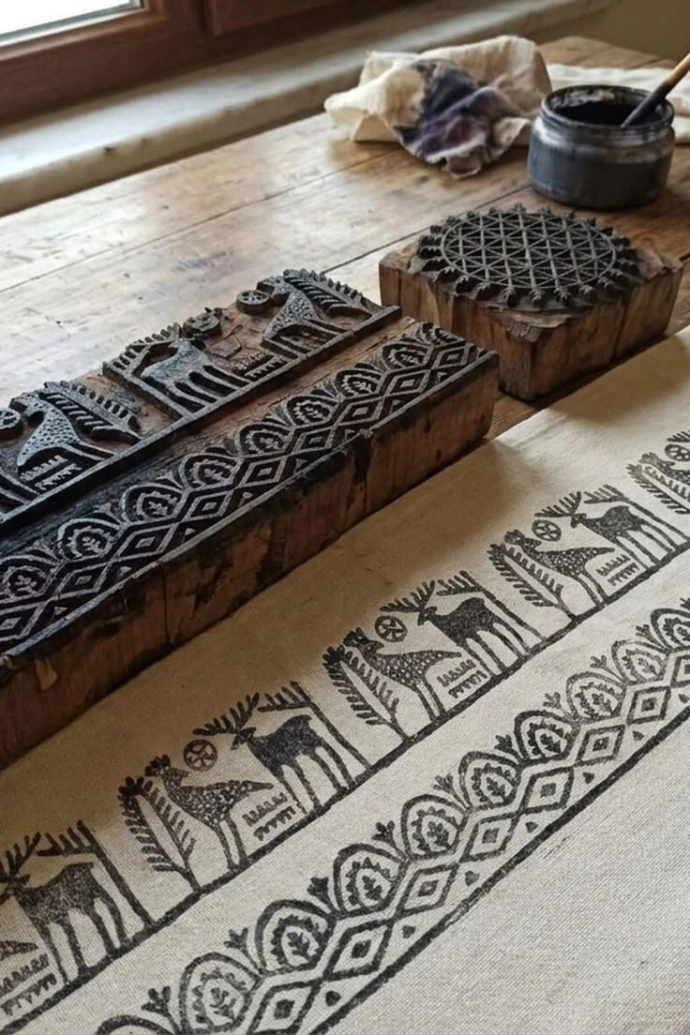
Before a single needle touches fabric, the architecture of Chikankari begins in wood. Master artisans hand-chisel intricate floral and paisley motifs into seasoned blocks. Stamped onto raw cloth with washable dye, these wooden prints create the precise guide upon which our embroiderers weave their artistry.
Chapai: The Rhythm of the Block
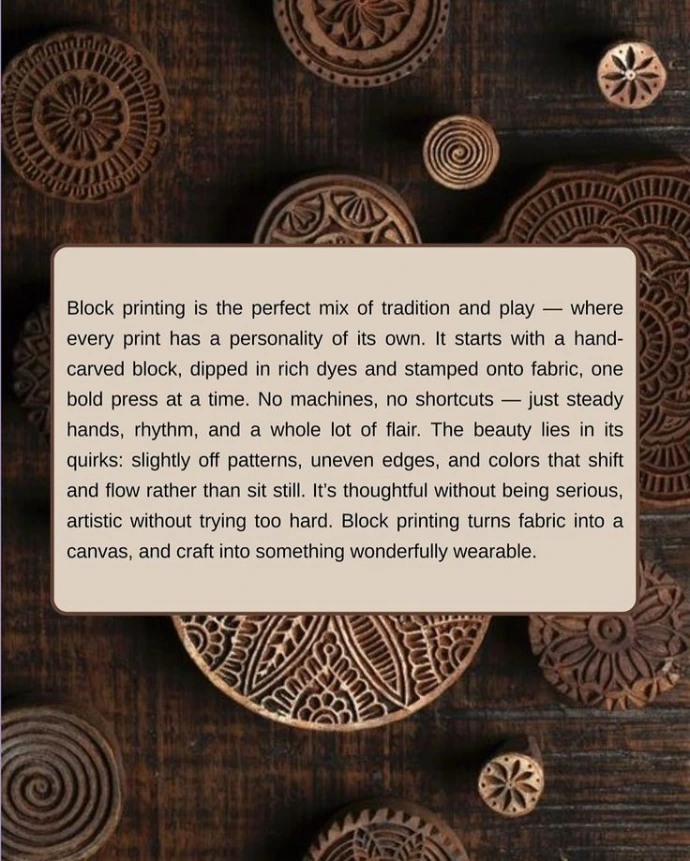
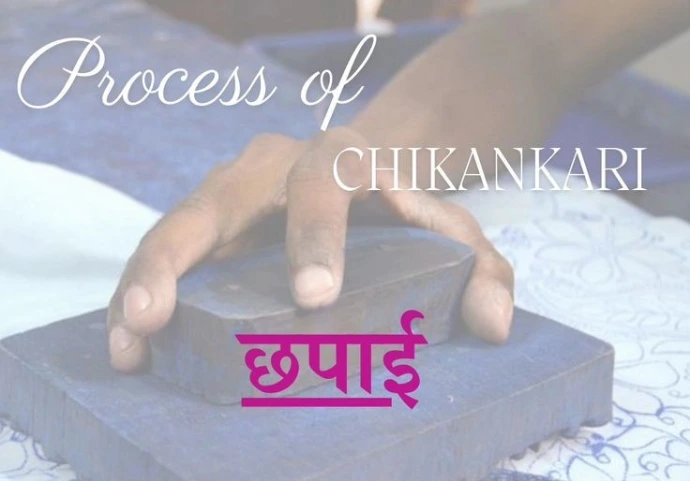
The poetry of Chikankari involves multiple processes, always starting with the block printing of the design onto the fabric. This step, known as Chapai, relies entirely on hand-carved blocks dipped in rich dyes and stamped onto the textile. The specific choice of blocks dictates the kind of stitches that will be incorporated later in the process, while the precise placement of these blocks determines the final aesthetic of the garment.
Rangai: Colored by Nature
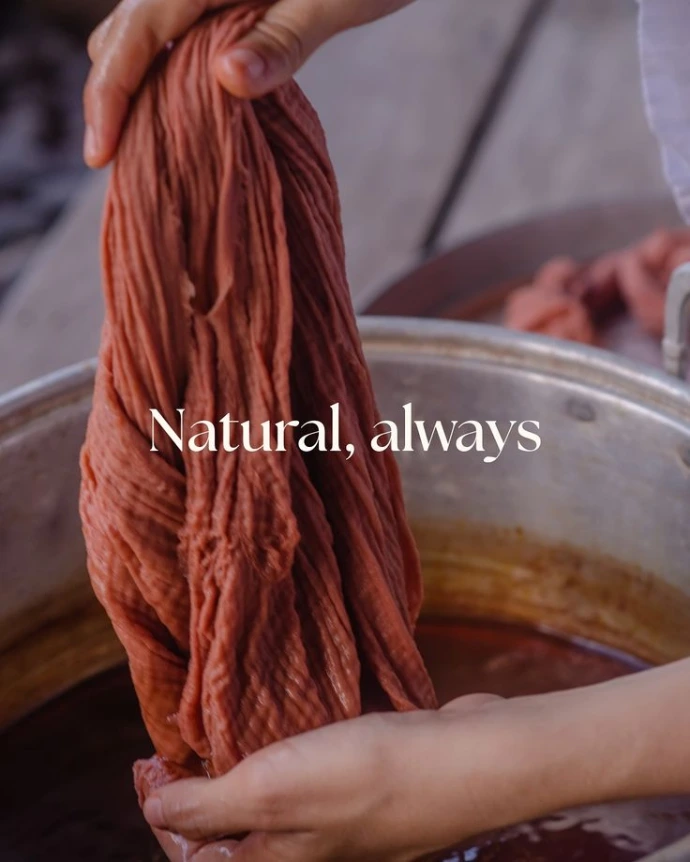
True luxury exists in harmony with the earth. The Rangai process ensures the natural coloring of our clothes and threads. Artisans prepare "pakka rang" using extracts from leaves and flowers. Both the cloth and the embroidery threads are immersed in this natural color for a full day to allow the materials to fully absorb the hue. Finally, they are laid out to dry under natural sunlight, capturing the raw, understated beauty of nature.
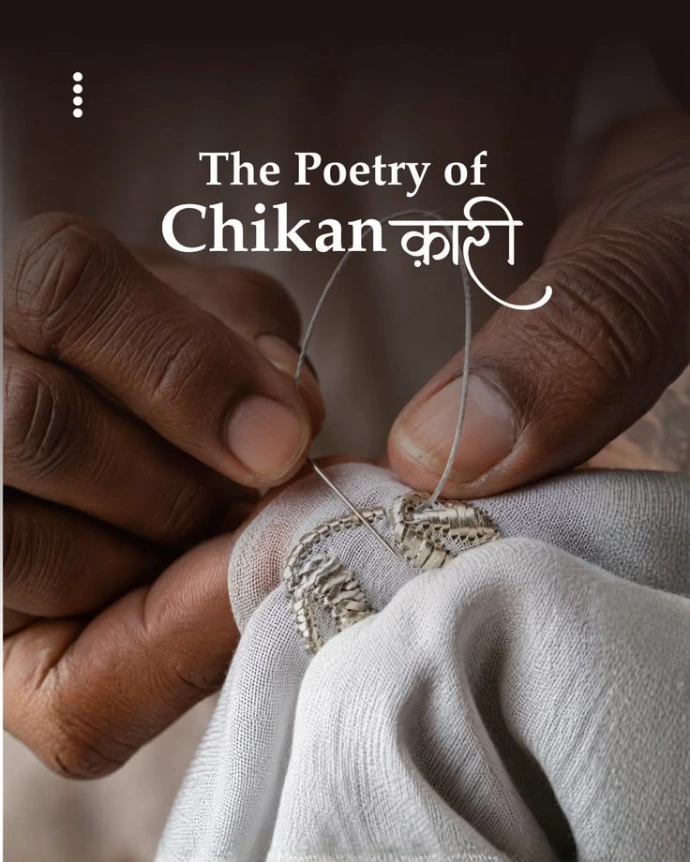
The Poetry of Chikankari
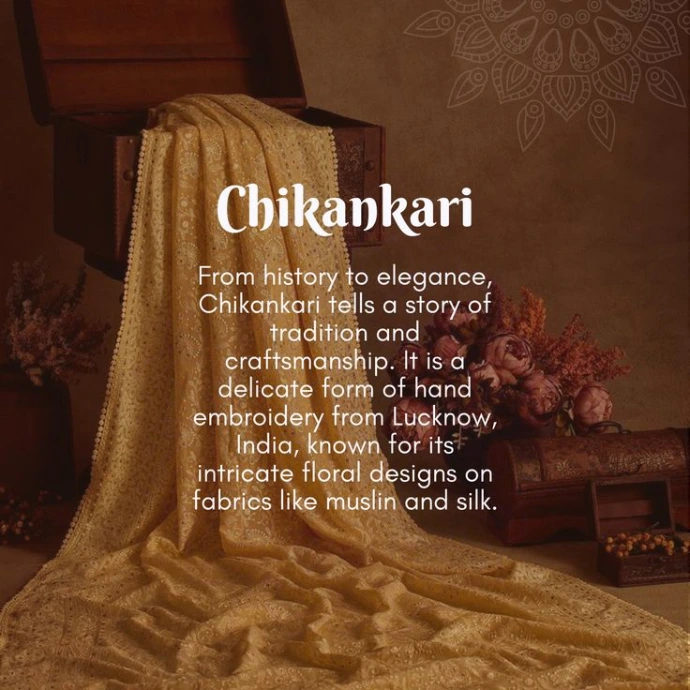
Originating from the historic ateliers of Lucknow, Chikankari is an ethereal study in light, shadow, and tactile texture. Every motif is brought to life stitch by stitch, transforming sheer muslins, silks, and organzas into living heritage.
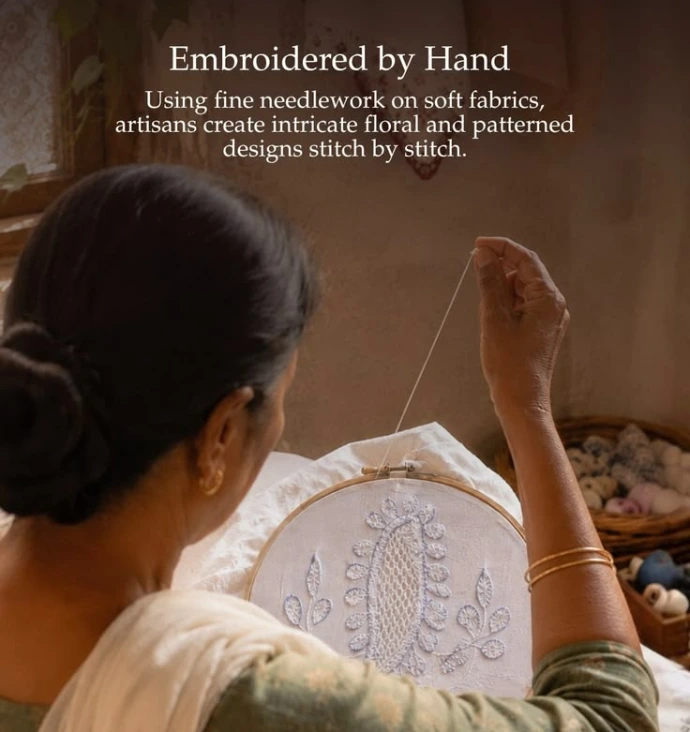
Embroidered by Hand
True luxury cannot be rushed. Utilizing fine needles and organic cotton threads, master artisans map out intricate floral and architectural motifs directly onto the cloth. A single garment demands hundreds of hours of precision needlework—weaving story, patience, and human touch into every thread.
The 32 Stitches of Heritage
Flat & Linear Stitches: Tepchi · Pechni · Kat · Kate · Janjeera
Embossed & Raised Knots: Phanda · Murri · Dhum Patti · Jora Patti · Bhakia
Openwork & Lattice (Jali): Sidhaul Jali · Hathkati · Karanphool · Hul · Bijli
Detailing & Accents: Keherki · Kil · Keel-Kangan
Craft Variations & Pairings
Noor Chikankari & Noor Mukaish: Fine hand-pressed metallic metallic ribbons embedded into sheer fabric for understated sparkle.
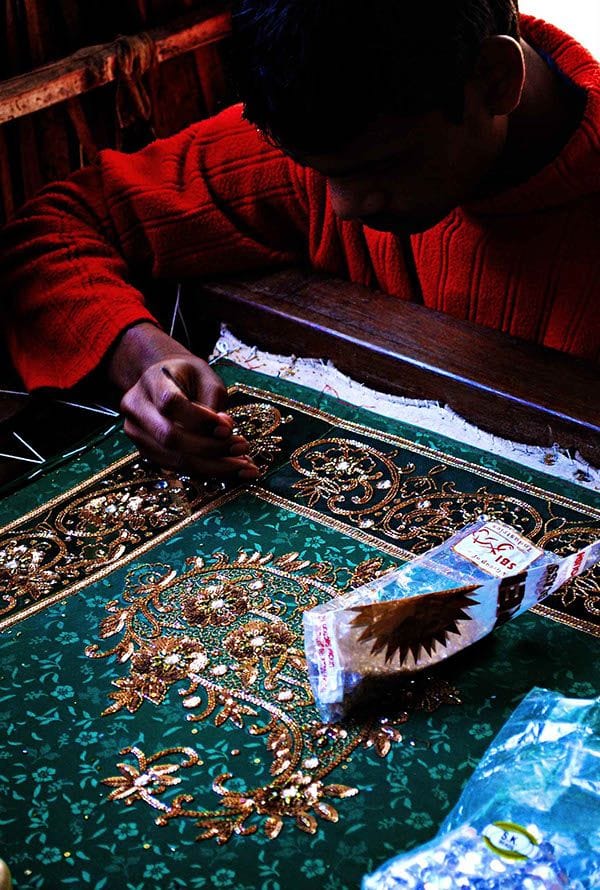
Zardozi: Regal, elevated metallic embroidery that creates structured architectural focus.
Sister Craft Pairings: Thoughtful integration of Kantha, Kashida, and Phulkari techniques to enrich fabric stories.
Mirrorwork: Hand-set reflective accents designed to capture ambient light.
Zari Zardozi
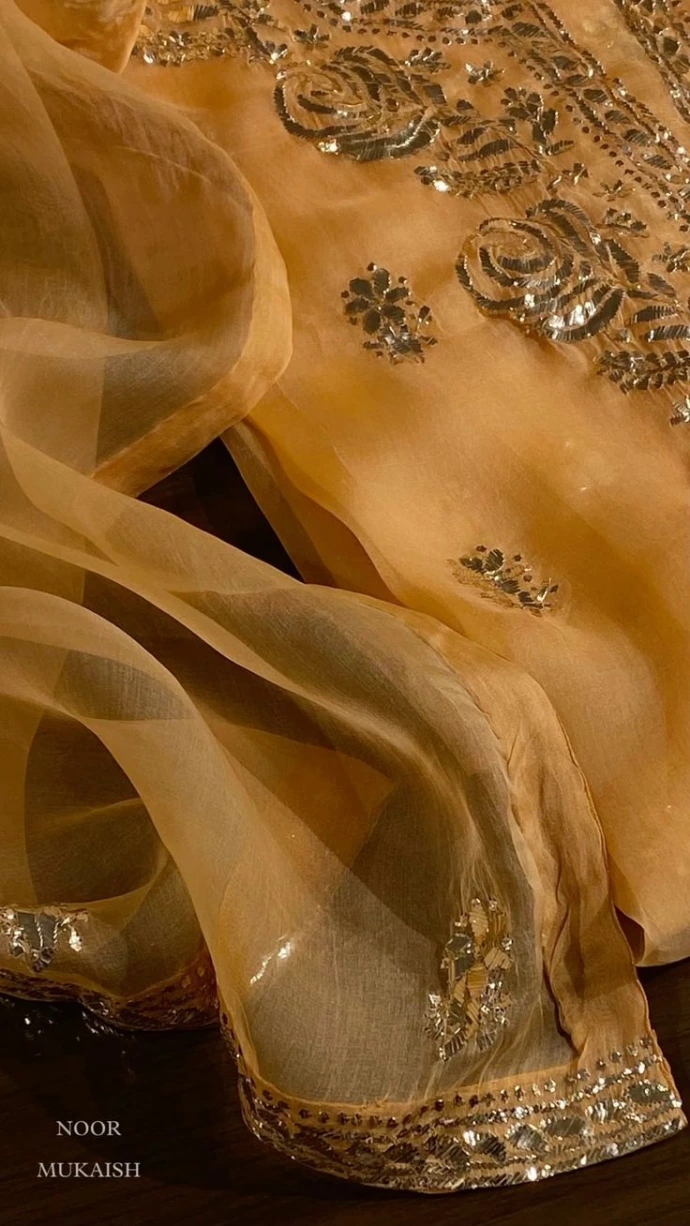
Noor Mukaish
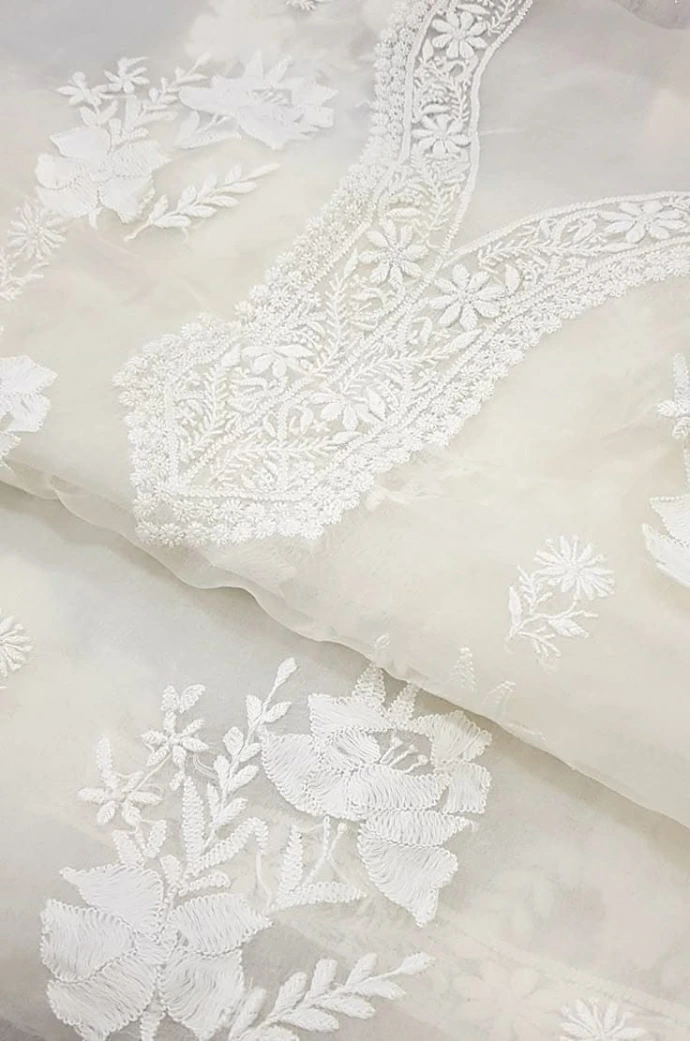
Original Shadow Chikankari
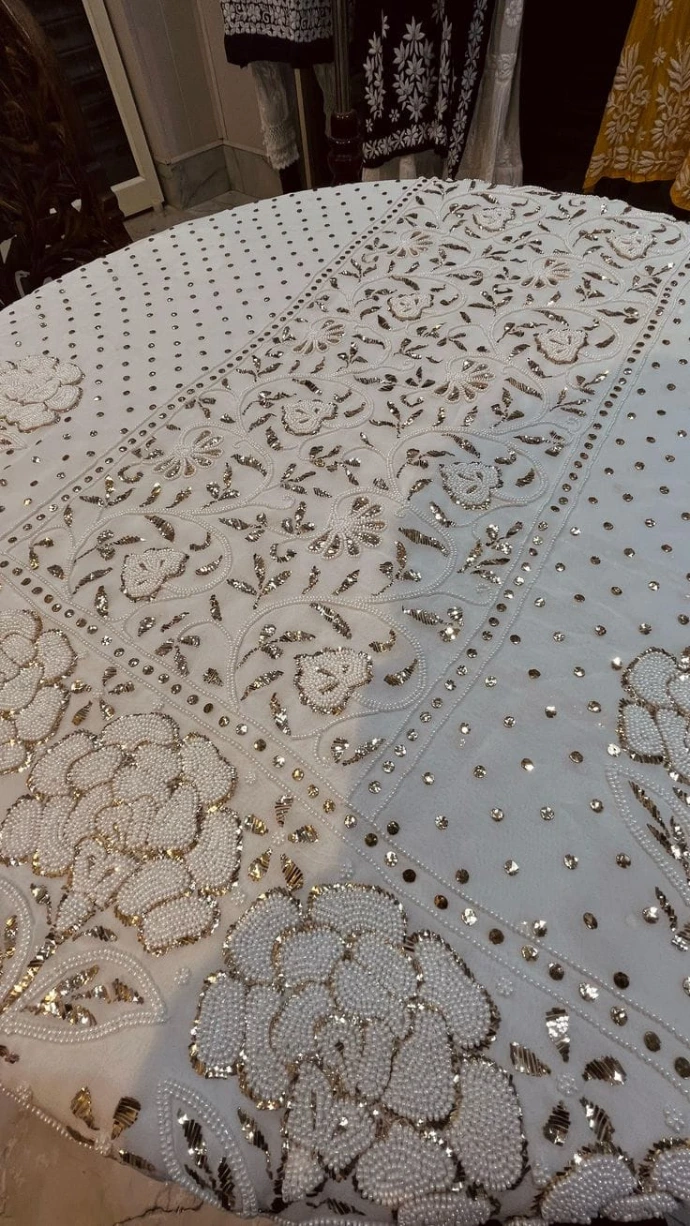
Mukaish Dense Work
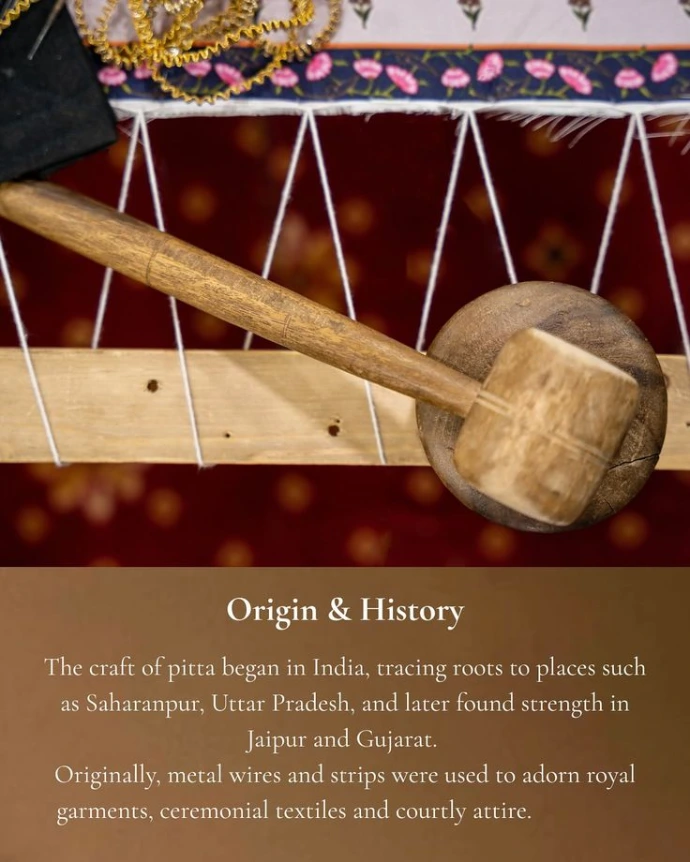
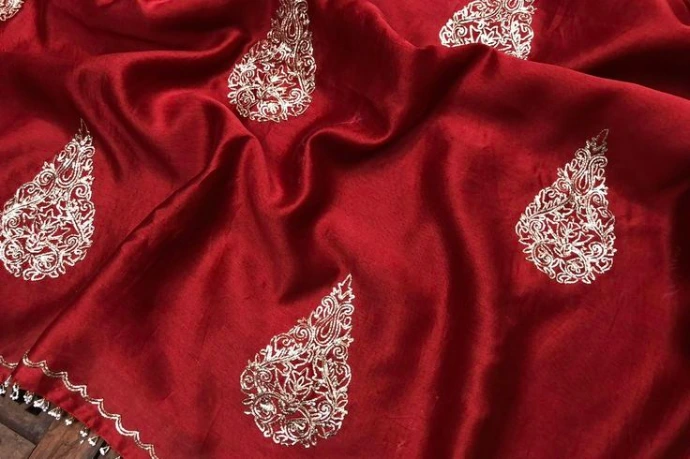
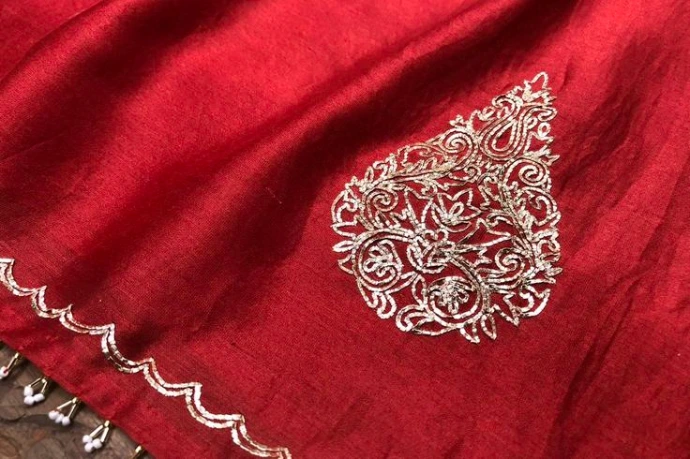
Pita Work: Beaten Gold & Tactile Grace
Developed across historical craft hubs like Saharanpur, Uttar Pradesh, and further refined in Jaipur and Gujarat, Pitta work represents a centuries-old technique of beaten metallic embroidery. Artisans hand-stitch fine metallic wire into intricate patterns on traditional adda frames before carefully hammering the embroidery flat. This process enhances the garment's durability while producing a signature, flat-gilded surface favored in high-fashion couture.
Dhulai: The Final Unveiling
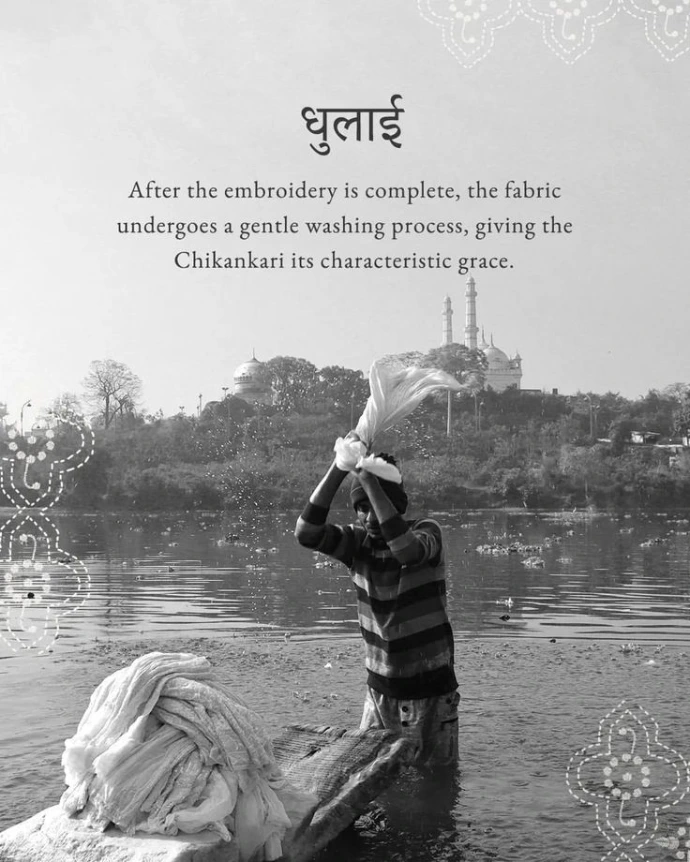
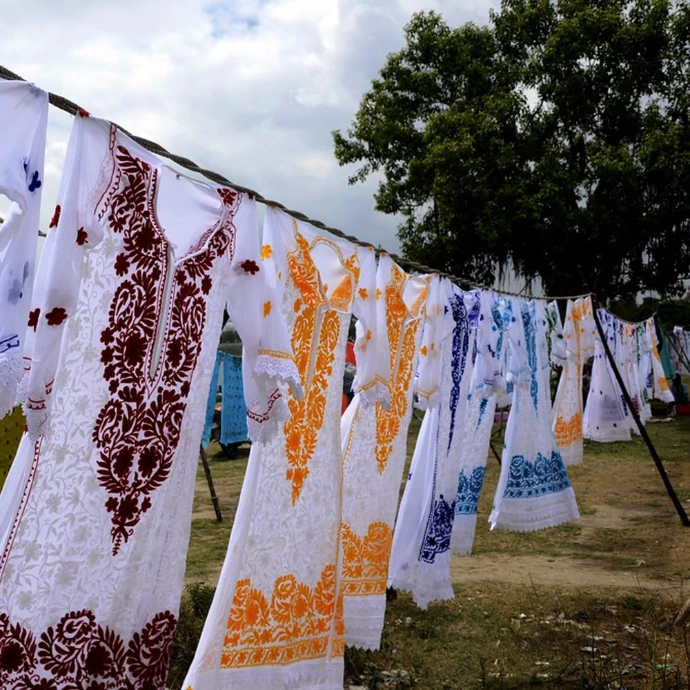
The ultimate transformation of Chikankari unfolds along the historic banks of Kudia Ghat in Lucknow. Here, generations of master dhobis perform Dhulai—a delicate washing ritual that gently dissolves every trace of the initial Chapai printed guide lines. As the ink washes away, only the pristine, untouched hand-embroidery remains. Dried under the natural sunlight and hand-pressed, each garment reaches its final state of understated elegance.